FIND HELP & SUPPORT
Connecting You To The Services And Support Animals Need.
Whether you’re looking for affordable spay/neuter services, need help feeding your pet during a difficult time, or want to report animal cruelty, we can help you find the right resources. Our comprehensive directories connect Maine residents with services across the state, organized by county for easy access.
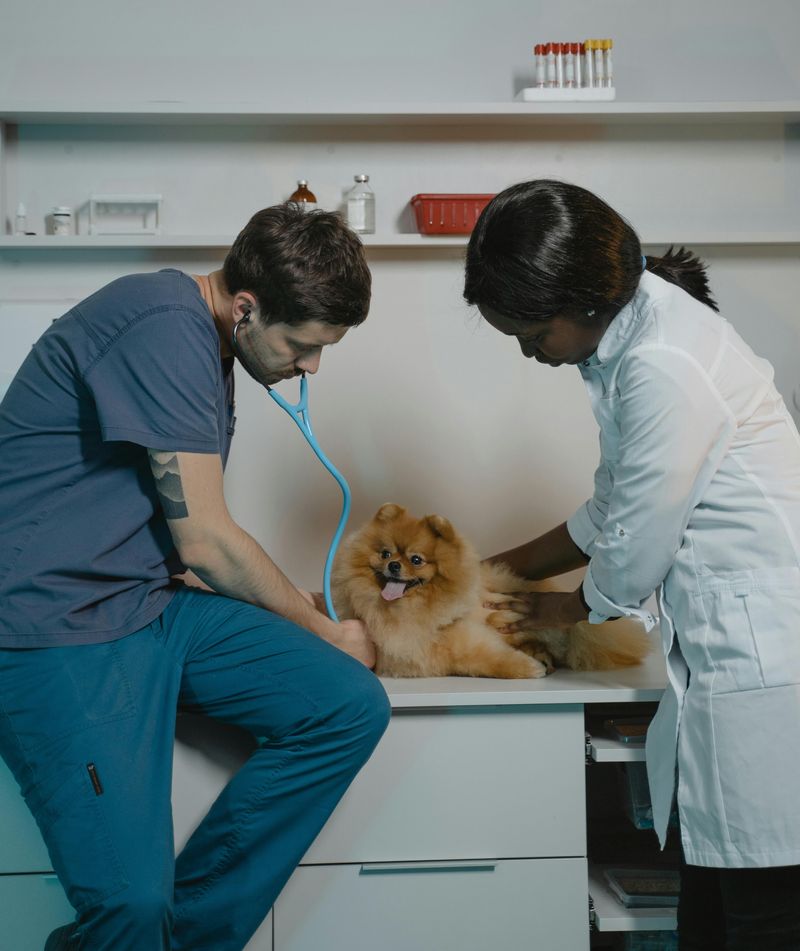
Spay & Neuter Resources
Whether you’re a pet owner, animal lover, or community advocate, our mission is to reduce pet overpopulation and improve the well-being of animals everywhere.

Pet Pantries
Our platform connects you with local pet food pantries, shelters, and community organizations that provide essential food supplies for dogs, cats, and other companion animals.
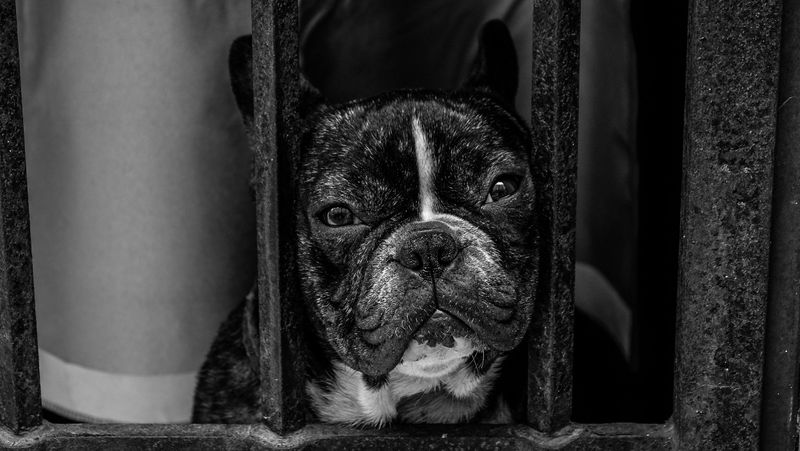
Reporting Animal Cruelty
Reporting animal cruelty is one of the most important steps you can take to protect vulnerable animals and help ensure they receive the care and protection they deserve.

Financial Assistance
Whether you’re dealing with unexpected medical expenses, looking for low-cost spay/neuter services, or in need of assistance with routine care, we provide valuable resources to help you manage your pet’s needs without breaking the bank.
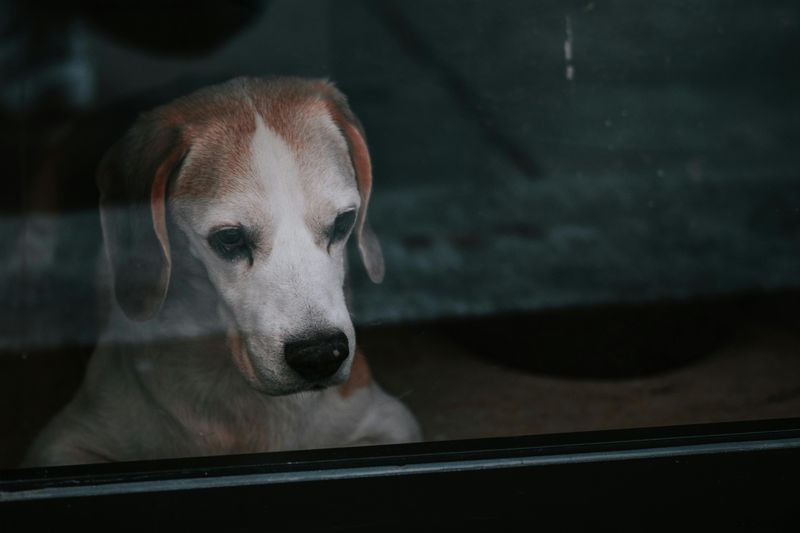
Lost & Found Pets
We offer a variety of resources, including step-by-step instructions for searching for lost pets. We also provide helpful links to social media groups, local lost pet networks, and regional websites where you can post alerts and track missing pets in your area.
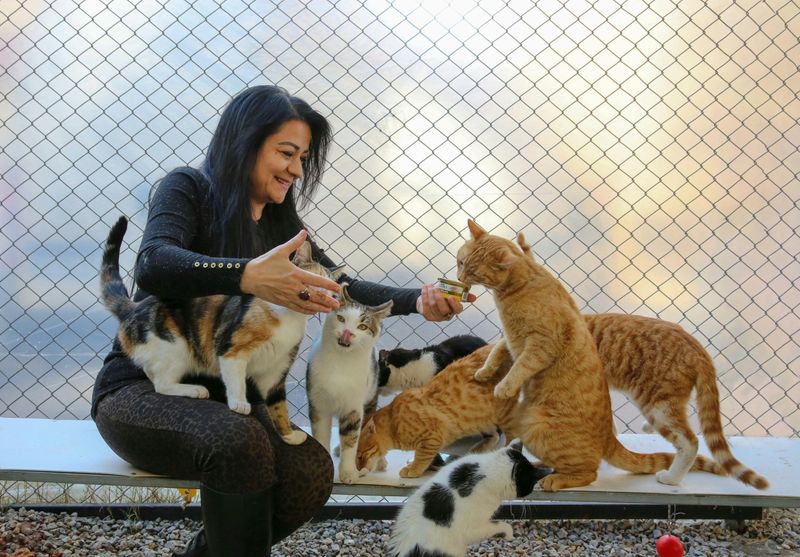
Community Cats/TNR
We have a comprehensive resource for understanding and implementing Trap-Neuter-Return (TNR) programs to help manage and protect community cat populations.
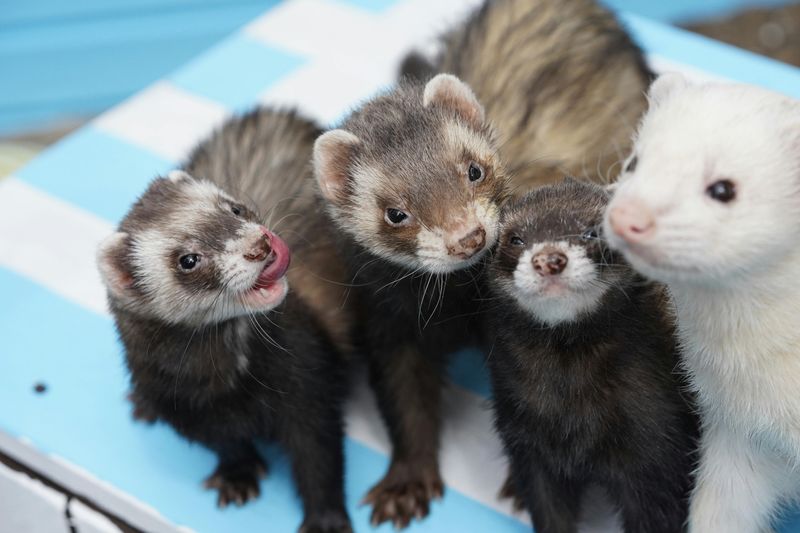
Small Companion Animals
We believe in responsible pet ownership and creating a nurturing environment for your beloved small pets. Join our community of pet lovers and learn how to make the most of your time with these delightful companions!
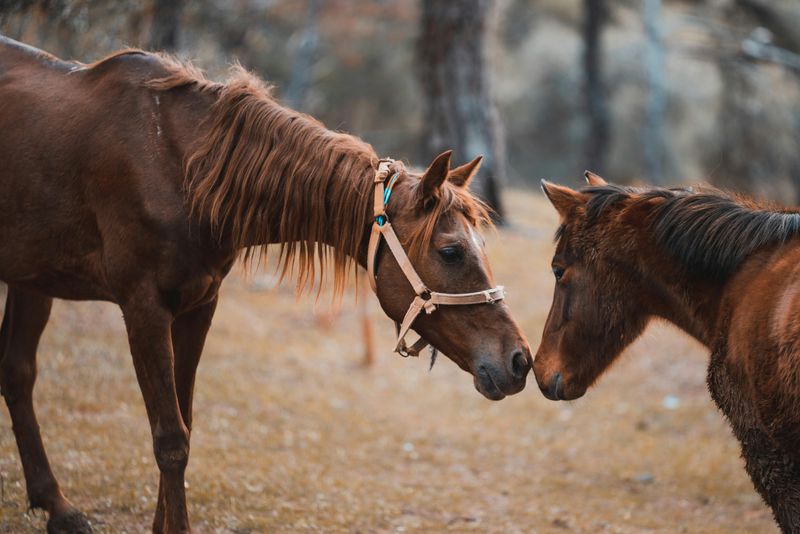
Equine Resources
From information on state care requirements, to local rescue organizations, we aim to help you connect with the equine community and enhance your passion for horses.
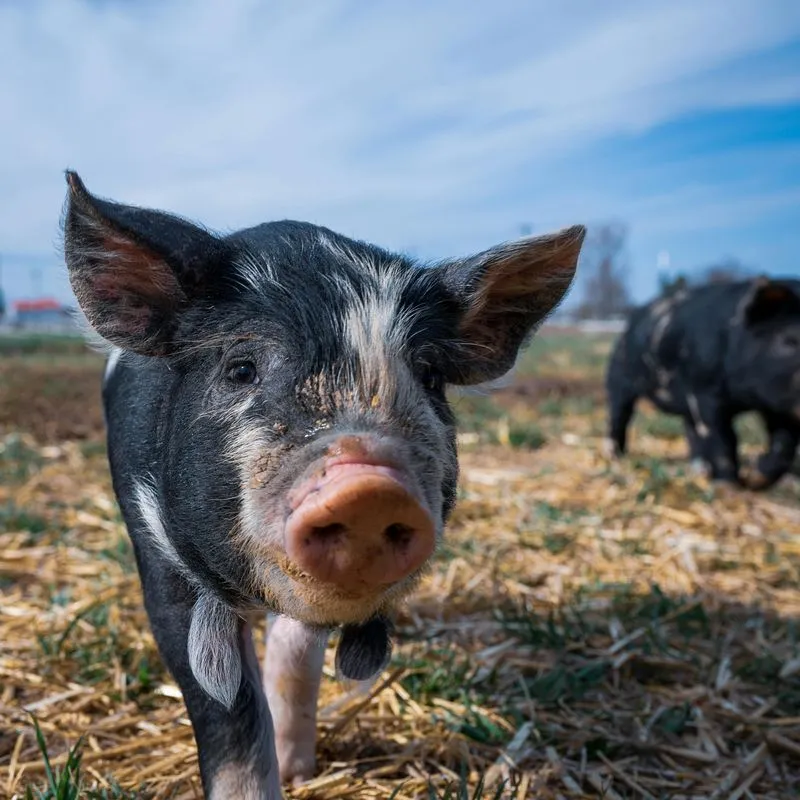
Farm Animal Resources
Keep the barn doors open – Help local animals in need from local organizations right here in Maine!
Parrots
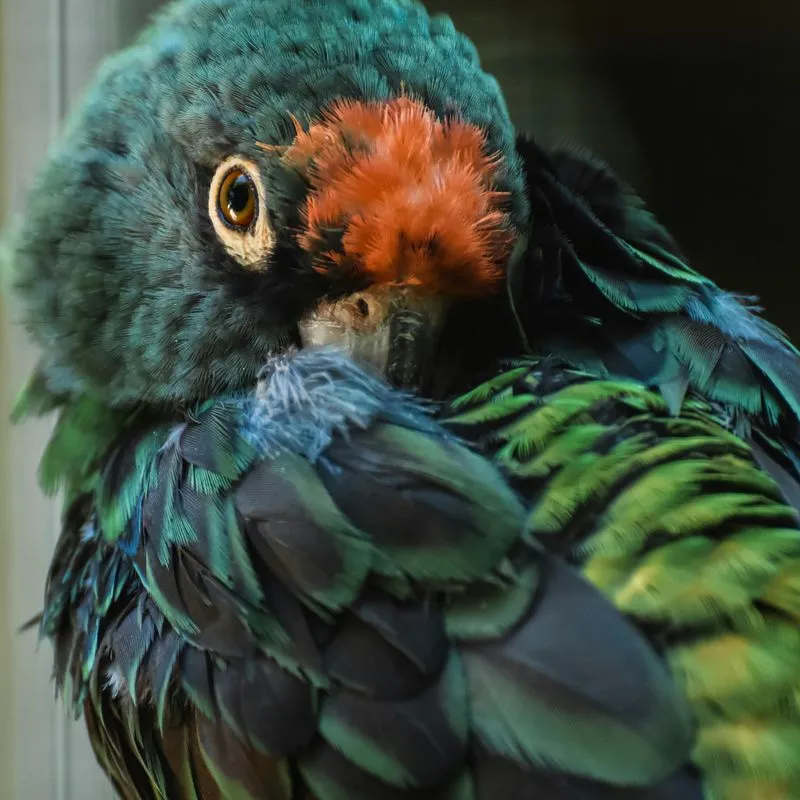
Owning a parrot comes with its own set of challenges, and our mission is to provide you with the knowledge and tools to ensure your exotic companion thrives in a safe, healthy, and enriching environment.
Reptiles
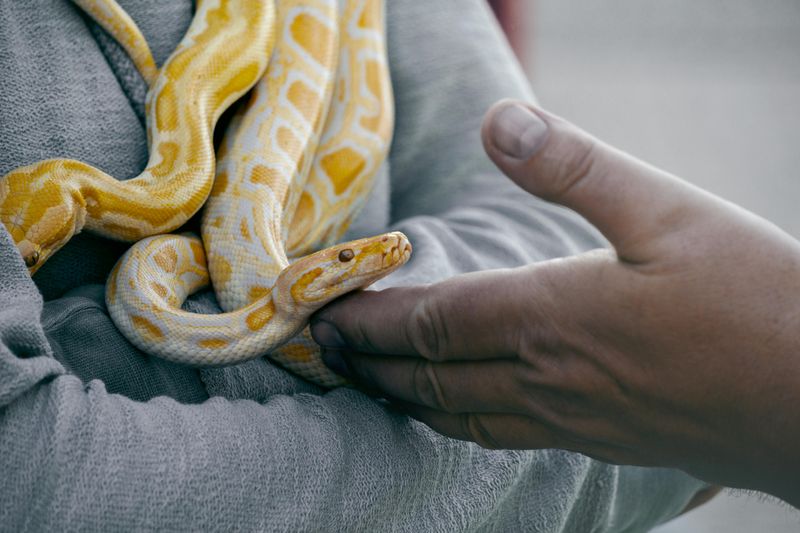
Whether you’re a seasoned herpetologist, a first-time reptile owner, or simply an enthusiast, these resources are here to help.
Wildlife Resources
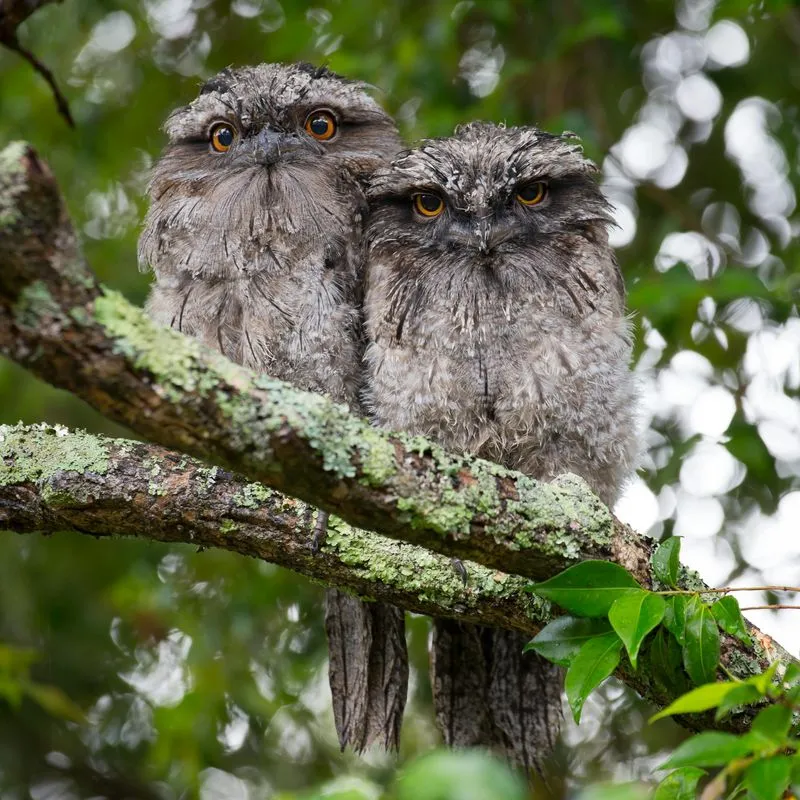
From small birds and mammals to larger wildlife, we offer guidance on identifying common injuries, handling animals safely, and locating wildlife rehabilitators and rescue organizations near you.

National Resources
Your gateway to professional development in the animal welfare field. Whether you’re an animal shelter staff member, veterinary professional, volunteer, or advocate, we provide a wide range of training programs designed to enhance your skills, knowledge, and effectiveness in caring for animals and supporting your community.

Legislation Resources
Get involved today—whether you’re working to strengthen animal protection laws, support humane practices, or push for new legislation. Together, we can build a better future for animals through the power of informed, collective action.

Disaster Preparedness
Resources for planning and responding to emergencies involving animals. Whether you’re a pet owner, shelter worker, animal rescue organization, or community advocate, we provide the knowledge and tools you need to ensure animals are safe, cared for, and protected during emergencies.

Grants
Your essential resource for discovering and accessing funding to support animal welfare, conservation, and community initiatives. Whether you’re a nonprofit organization, a community group, or an individual working to make a difference, we connect you with grant opportunities that can help bring your mission to life.
Spay & Neuter
Why Should You Spay or Neuter Your Pet?
Spaying and neutering your pets is one of the most responsible actions you can take as a pet owner. Not only does it contribute to the health and well-being of your furry friend, but it also helps address the larger issue of pet overpopulation.
Here are some important reasons why spaying and neutering matters:
- Prevents Unwanted Litters
Every year, millions of pets end up in shelters, and many are euthanized due to a lack of homes. By spaying or neutering your pet, you help reduce the number of unwanted animals and give other pets a chance to find a loving home. - Health Benefits
Spaying and neutering can prevent serious health issues, including certain types of cancers and infections. For females, spaying eliminates the risk of uterine infections and reduces the chance of breast cancer. For males, neutering can help prevent testicular cancer and prostate problems. - Behavioral Improvements
Neutered pets are often calmer and less aggressive. They are less likely to roam, which reduces the risk of accidents or injuries. Spaying can also help reduce behaviors such as marking territory and excessive howling or yowling. - Cost-Effective
The cost of caring for a litter of puppies or kittens, including veterinary care, food, and finding homes, can be significant. Spaying or neutering is a one-time procedure that can save you money in the long run. - Improved Lifespan
Pets that are spayed or neutered tend to live longer, healthier lives. Without the stress of heat cycles or the risk of breeding-related complications, your pet can enjoy a better quality of life.
By choosing to spay or neuter your pet, you’re making a positive difference for your pet, your community, and animals in need. Take the responsible step today for a healthier, happier tomorrow!
Pet Food Pantries
Whether you’re struggling to make ends meet, experiencing temporary financial setbacks, or need emergency assistance, we make it easy to find the support you need to keep your pets fed.
Click here to learn more about this program and where to find pet food pantries throughout Maine.
Reporting Animal Cruelty
Reporting animal cruelty is one of the most important steps you can take to protect vulnerable animals and help ensure they receive the care and protection they deserve. Animals cannot speak for themselves, and they rely on compassionate people like you to advocate on their behalf.
How do I report an animal cruelty or neglect complaint?
Call your local law enforcement or animal control officer first. They may be able to respond much quicker than a humane agent can.
Maine Animal Welfare Program
Business Hours: 7:30 am – 4:30 pm, Monday through Friday
- Toll Free: 1-877-269-9200
- Phone: (207) 287-3846
- Email: animal.welfare@maine.gov
Who do I call if the complaint is an emergency after business hours?
Call your local law enforcement or animal control officer first. If you need an agent after hours, contact the Bangor Barracks of the State Police at (207) 973-3700 and they will contact an Animal Welfare Program representative.
Where can I find my local Animal Control Officer?
You can find your local ACO on the Maine Department of Agriculture, Conservation, and Forestry’s website:
Find Your Local Animal Control Officer
Why Reporting Matters
1. Protects Animals from Harm
Reporting cruelty can help stop ongoing abuse and prevent further suffering. Animals subjected to neglect or violence are often trapped in dangerous situations with no way to escape. Your report could be the lifeline that saves them.
2. Promotes Accountability
Holding perpetrators accountable is essential for deterring future cruelty. By reporting suspected abuse, you help ensure that those responsible face legal consequences and that proper action is taken to protect animals in the future.
3. Helps Raise Awareness
Every report contributes to a broader understanding of the prevalence of animal cruelty. The more reports authorities receive, the greater the chance that cruelty will be recognized as a serious issue that requires action.
4. Supports Community Well-being
Animal cruelty is often linked to other forms of violence in communities. Addressing cruelty can lead to a safer, more compassionate environment for everyone—humans and animals alike. Reporting abuse may also help identify patterns of criminal behavior, preventing further harm.
5. Saves Lives
In many cases, animals in abusive situations are not able to seek help on their own. Your report can save lives by enabling authorities to intervene, offer medical care, and ultimately find a safer home for the animal.
If you SEE something, SAY something. You never know when you might save a life.
Financial Assistance for Pet Care
Whether you’re dealing with unexpected medical expenses, looking for low-cost spay/neuter services, or in need of assistance with routine care, we provide valuable resources to help you manage your pet’s needs without breaking the bank.
We understand that pets are family, and ensuring their well-being should never be a financial burden.
Local Programs
Town & Country Federal Credit Union – Pet Loan
Town & Country offers pet loans to help cover routine veterinary care, emergency services, and adoption expenses.
tcfcu.com/personal/loans/pet-loan
Finally Home
A 501(c)(3) organization located in North Yarmouth, Maine, with a mission to provide a loving home to homeless senior dogs, pledging to provide these dogs with nutritious food, quality veterinary care, and anything else that these dogs could want or need to comfort them during the final days or years of their lives. Finally Home also pledges to help network for senior dogs who are homeless, as well as financially help to fund the care of senior animals so they can remain with their owners, in their home.
finallyhomemaine.org
Old Dogs New Digs
Through their community assist program, Old Dogs New Digs will contribute financial aid directly to the approved applicant’s veterinarian to help pay for procedures, hospitalization, medication, veterinary follow-ups, and emergency animal services, in order to help the owner’s pets full recovery. For older dogs and cats of Maine and Colorado residents.
olddogsnewdigs.com/community-assist-program
Mainely Pets Foundation
Mainely Pets Foundation is a charitable 501(c)3 Maine non-profit. Dr. Doug Andrews, Dr. Brian Graves, Dr. Oonagh Wack and the staff of Falmouth Veterinary Hospital founded the non-profit in August 2017. It helps pets, pet owners, and pet caregivers in times of distress or need right here in Maine.
falmouthvet.com/mainely-pets-foundation
National Programs
Aligncare
AlignCare improves access to veterinary care for underserved families.
aligncarehealth.org
American Pit Bull Foundation
Breed-specific organization. Offers a number of services for pit bull parents, including financial aid for veterinary care and behavioral training. Also partners directly with veterinary care providers to offer financial assistance to clients with pit bulls who are facing financial hardship.
apbf.dog
Brown Dog Foundation
For qualified applicants that require life-saving treatment/medication.
browndogfoundation.org
Bow Wow Buddies Foundation
Provides grants to families who are unable to afford needed veterinary care.
bowwowbuddies.com
Care Credit
A credit card company specializing in healthcare, including veterinary care.
carecredit.com
Canine Cancer Awareness
Financial support for veterinary care for dogs with cancer whose families are financially unable to provide treatment.
caninecancerawareness.org
Compassion Animal Project
Compassion Animal Project is a nationwide nonprofit organization that provides financial assistance for life-saving treatments for pets and helps keep families together.
compassionanimalproject.org
Diabetic Cats in Need
Offers a one-time assistance package that includes a glucose testing kit and a few months supply of insulin.
dcin.dreamhosters.com
Dogs on Deployment
Grants financial assistance to military pet owners during times of emergency.
dogsondeployment.org
For the Love of Alex
Funds emergency and life-savings veterinary care for pets of low-income households.
fortheloveofalex.org
Frankie’s Friends
Dedicates its non-profit mission to finding cures and saving pets with cancer and other life-threatening conditions.
frankiesfriends.org
Free Animal Doctor
Pet-dedicated crowd funding platform. Funds raised go directly to the vet. Over 90% of their campaigns get fully funded.
freeanimaldoctor.org
Friends & Vets Helping Pets
Assists families with financial limitations to pay for extraordinary veterinary expenses necessary to save a pet’s life.
friendsandvetshelpingpets.org
Help-A-Pet
Offers financial aid for injuries or illnesses in dogs.
help-a-pet.org
Joey’s Paw
Provides wheels, prosthetics, and mobility aids to dogs with special needs.
joeyspaw.org
Live Like Roo Foundation
Provides financial assistance to help cover care costs related to pet cancer treatment. They award grants on a monthly basis. Additionally, they offer care packages that include a blanket, toy, treats, bucket list and more.
livelikeroo.org
Magic Bullet Fund
Provides financial assistance for canine cancer treatment.
themagicbulletfund.org
The Mosby Foundation
Assists in the care of critically sick, injured, abused, and neglected dogs chiefly through financial support and public education.
themosbyfoundation.org
My Pet Child
An online directory of pet financial aid and assistance programs.
mypetchild.com
Onyx & Breezy Foundation
Will consider funding medical equipment, research, and medical treatment for animals where hardship is present.
onyxandbreezy.org
Paws 4 A Cure
Provides financial assistance to those who cannot afford veterinary care.
paws4acure.org
Pet Assistance, Inc.
Helps longtime pet owners who cannot afford an exceptional problem.
petassistanceinc.org/financialaid
The Pet Fund
ONLY funds non-basic, non-urgent care. This includes medical care that is above and beyond basic care, but which does not require urgent treatment.
thepetfund.com
RedRover
Provides financial assistance, resources and emotional support to pet guardians struggling with economic hardship when pets are in life-threatening situations.
redrover.org/relief
Rose’s Fund
Financially assists pet owners who have an animal with a good prognosis for a healthy life, but are at a financial loss.
rosesfund.org
Shakespeare Animal Fund
Purpose is to save lives by paying emergency veterinary bills for elderly, disabled, returning veterans and others.
shakespeareanimalfund.org
STARelief
For pet owners in need of assistance for a pet in need of medical care or emergency boarding/foster care.
starelief.org
Veterinary Care Foundation
Helps cover vet costs. Unlike other funds, your vet must be the one to apply and they must be enrolled in the program.
veterinarycarefoundation.org
Waggle
Provides grants to ensure pets who need veterinary care have access to it.
waggle.org
Lost & Found Pets
Our platform offers a variety of resources, including step-by-step instructions for searching for lost pets. We also provide helpful links to social media groups, local lost pet networks, and regional websites where you can post alerts and track missing pets in your area.
Losing a pet can be incredibly painful. Here’s what you might consider doing:
1. Stay Calm and Search Thoroughly
- If your pet has gone missing, start by searching your home and the surrounding area. Pets sometimes get trapped in places you might not immediately think to look.
- Check places they might hide, like under furniture or in small spaces.
2. Check Local Animal Control
- Call or visit animal control offices in case your pet has been picked up by authorities.
3. Notify Neighbors
- Let your neighbors know, so they can keep an eye out. If they have security cameras, they might be able to provide helpful footage.
4. Post on Social Media and Local Pet Networks
- Post a clear picture of your pet with details like their name, breed, color, size, and any distinguishing marks or traits.
- Many communities have local pet-finding Facebook groups or apps like Nextdoor where people share lost pet sightings.
5. Contact Local Shelters and Vets
- Let nearby animal shelters, rescue groups, and veterinarians know that your pet is lost. They can keep an eye out or notify you if someone brings them in.
- Many shelters also allow you to post a lost pet notice on their website.
6. Create a Flyer
- Make flyers with your pet’s picture, description, and your contact information. Post these around your neighborhood and at local pet stores, vet offices, and community boards.
7. Use Pet Tracking Tools
- If your pet has a microchip, contact the microchip company and update your contact info if necessary.
- If your pet has a GPS tracker, check the device for real-time location updates.
8. Don’t Give Up
- Keep searching and reaching out. Sometimes pets come back days or even weeks later. Stay hopeful and keep following up with shelters and online posts.
9. Take Care of Yourself
- Losing a pet is emotionally exhausting. Allow yourself time to process and seek support from friends or family. If you’re feeling overwhelmed, don’t hesitate to talk to a counselor who specializes in grief.
Helpful Organizations & Resources
Maine Lost Dog Recovery
MLDR is a 501(c)(3) volunteer non-profit. Their mission is helping Maine lost dogs find their way home.
facebook.com/MaineLostDogRecovery
Maine Lost Cat Recovery
Helping lost cats in Maine find their way home. This page is for Maine residents, visitors, rescues, and shelters to post information and pictures of cats lost and found in the State of Maine.
facebook.com/MaineLostCatRecovery
Petco Love Lost
Petco Love Lost is a free and easy way to search 200K+ lost and found pets to help them return home.
petcolove.org/lost
PawBoost
PawBoost exists to help reunite lost pets with their people. PawBoost achieves this by leveraging technology to quickly alert their Rescue Squad when a pet goes missing. Their platform aims to provide a rapid response system that increases the chances of lost pets being found and returned home safely.
pawboost.com
The Importance of Microchipping
Check out these informative articles from HSUS and AVMA on the benefits of microchipping your pet:
Community Cats / TNR
Welcome to your resource for understanding and implementing Trap-Neuter-Return (TNR) programs to help manage and protect community cat populations.
What are Community Cats?
Community cats are unowned cats who live outdoors in virtually every landscape. Also known as feral, stray, or alley cats, they are generally not socialized to live indoors with people. They live full, healthy lives with their feline families (called colonies) in their outdoor homes.
What is TNR?
Trap-Neuter-Return is a humane and effective solution to the challenges of feral cat overpopulation. TNR involves safely trapping community cats, having them spayed or neutered, and returning them to their outdoor homes. This approach helps reduce unwanted litters, decreases the spread of disease, and improves the quality of life for feral cats.
Learn More About TNR
For comprehensive information about TNR programs, step-by-step guidance, finding local spay/neuter clinics, and accessing our Community Cat Tracker, visit our dedicated Community Cats page.
Small Companion Animals
Discover local rescue groups that will support you in providing the best care for your small companion pets. We believe in responsible pet ownership and creating a nurturing environment for your beloved small pets. Join our community of pet lovers and learn how to make the most of your time with these delightful companions!
Ferrets
Ferret Rescue of Maine (FROM)
The Ferret Rescue of Maine is a 501(c)(3) state-licensed, non-profit rescue and no-kill shelter dedicated to serving the needs of the domestic ferret throughout the state, regardless of their age, health or political affiliation. In addition to rescuing homeless ferrets, FROM also works with local pet stores to provide education seminars for ferret owners as well as people considering ferrets as an addition to their family, answering questions and offering free ear cleaning and nail clipping (for ferrets only!).
ferretrescueofmaine.org
New to Ferrets?
Check out this article from Connecticut Humane Society on how to prep for your new ferret:
Get Prepped for Your New Ferret
Rats & Pocket Pets
Mainely Rat Rescue
Mainely Rat Rescue is a 501(c)(3) non-profit organization whose mission is to rehabilitate and find homes for surrendered or abandoned domestic rats and other pocket pets, as well as to spread awareness, provide education, and furnish support for all the animals in its care.
mainelyratrescue.org
New to Rats?
Check out this article from The Spruce Pets on how to care for a pet rat:
Caring for Pet Rats
Rabbits
Rocky Coast Rabbit Rescue and Sanctuary
Rocky Coast Rabbit Rescue’s vision is to bring more quality rabbit rescue resources to New England.
facebook.com/RockyCoastRabbitRescue
New to Rabbits?
Check out this article from PetMD on how to care for your new rabbit:
Bunnies Care Sheet
Sugar Gliders
Sugar Haven Rescue
Sugar Glider Rescue / 501(c)(3) Nonprofit located in Fitchburg, MA.
facebook.com/SugarHavenRescue
New to Sugar Gliders?
Check out this article from PetMD on how to best care for sugar gliders:
All About Sugar Gliders
Equine Resources
Our website provides statewide resources to help support your equine journey. From information on state care requirements to local rescue organizations, we aim to help you connect with the equine community and enhance your passion for horses.
Statewide Equine Resources
MSSPA Feed & Care Bank
The MSSPA offers their Feed & Care Bank to provide temporary, emergency assistance to Maine horses in need. Funds may be used towards hay, feed, farrier or dental services, routine vaccinations, and veterinary care. Equine specific.
msspa.org/hay
Maine Horse Matchmaker
Maine Horse Matchmaker is a free rehoming service created by the MSSPA to help Maine horses find new homes. Matchmaker is intended to be used for no-fee rehoming, not for sales. If you find a new owner for your horse through Matchmaker, the MSSPA requires that you do not ask for a sale price.
msspa.org/maine-horse-matchmaker
Northeast Equine Sanctuary
Northeast Equine Sanctuary (NES) is one of four state-licensed animal shelters operated by GFAS-accredited Peace Ridge Sanctuary (PRS). In 2020, PRS was presented with the opportunity to build on their already successful equine rescue program, which has been run alongside their farmed animal and companion animal rescue programs for more than twenty years.
peaceridgesanctuary.org/northeastequine
Hay Directory
Directory of people and farms who sell hay in Maine.
extension.umaine.edu/livestock/hay
Maine State Law: Housing and Care Standards for Horses
Housing Requirements
- A constructed shelter with a minimum of three sides and a waterproof roof shall be provided at all times to protect equines from sun, rain, wind and other inclement weather.
- The roof shall be waterproof.
- The shelter shall be of sufficient height and size so that the animals may stand upright in their normal position, with safe head clearances, and accommodate all animals comfortably at all times.
- The floor shall be dry and suitable for the animals to lie down.
- Any animal shall be provided with extra protection by improved housing facilities, blankets, or other methods if the health of the animal is compromised in any way.
- Where indoor shelter is provided, that shelter shall be adequately ventilated to prevent excessive dust or excessive moisture that may be detrimental to the equine’s health.
Food Requirements
- Equines shall have unlimited access to clean water to maintain normal hydration.
- Each equine shall have sufficient hay, grain, or other feed to maintain its normal body weight. Additional feed shall be fed to underweight animals to achieve normal weight.
- The feeding arrangements shall be such that each animal gets its own proper share of food.
- All owners/keepers of equine shall have on hand at all times enough hay and grain to maintain all equine in a healthy condition.
How to Body Condition Score a Horse
The best way to learn to body condition score your horse is to get hands-on with your horse. Follow these steps and refer to a body condition scoring chart to help identify your horse’s score:
- Overall Assessment: Stand to the side of the horse, about halfway between the head and tail. Look at the horse’s overall body shape, including the neck, shoulders, ribs, hips, and base of the tail. Note any areas where you can see or feel fat or muscle.
- Ribcage: Use your hands to feel the horse’s ribcage. You should be able to feel the ribs but not easily see them. If the ribs are prominent, the horse is likely underweight. If you can’t easily feel the ribs, the horse is likely overweight.
- Neck and Shoulders: Use your hands to feel the horse’s neck and shoulders. A horse with a healthy body condition will have a neck which blends smoothly into the body. A crest will be seen, but fat should be deposited fairly evenly from the poll to the withers. The crest should be easily cupped in one hand, and be flexible to move from side to side.
- Behind the Ribs: Move your hands back to the horse’s ribcage and feel the area behind the ribs. This area should have a slight concave shape, not be flat or bulging.
- Hindquarters: Move to the horse’s hindquarters and feel the muscles over the croup. They should be well-defined but not overly prominent.
- Tailhead: Finally, look at the horse’s tailhead. A horse with a healthy body condition will have a slight covering of fat over the tailhead and should not be overly prominent. The hip bones should not be prominently visible or protruding.
Once you have completed these steps, you can assign a score to the horse on the 1 to 9 scale based on their overall body fat and muscle condition. It’s important to body condition score horses regularly to monitor changes and adjust their nutrition and exercise as needed to maintain a healthy weight.
Additional Resources
Equine Disaster Preparedness
Horses require extra consideration in disaster planning. See what our friends at HSUS have to say about it!
humanesociety.org/resources/equine-disaster-preparedness
Farm Animals Resources
Keep the barn doors open – Help local animals in need from local organizations right here in Maine!
Peace Ridge Sanctuary
Founded in 2001, Peace Ridge Sanctuary is a nonprofit animal advocacy and conservation organization operating four animal shelters in the heart of coastal Maine. Their facilities are licensed by the state and accredited through the Global Federation of Animal Sanctuaries. At any given time, their shelters are home to nearly 500 rescued farmed animals, equines, and dogs.
peaceridgesanctuary.org
Darrowby Farm Sanctuary
Darrowby Farm Sanctuary rescues and provides a safe and lifelong home for neglected, abused, or abandoned farm animals, and educates people about living a mutually beneficial life with those animals that does not use them for food or forced labor. By providing a sanctuary for animals, educational opportunities for all ages, and support for those looking to make ethical choices, they strive to reduce suffering and create a more compassionate world.
darrowbyfarmsanctuary.org
A Life Line
A Life Line is a unique large animal rescue/rehabilitation center located in Northern Maine to rescue and rehabilitate animals (addressing both health and behavioral issues) in hopes of re-homing them. They specialize in large animals however they are willing and capable of rescuing any animal in need.
alifeline.org
4R Animal Shelter
4R Animal Shelter is organized exclusively for charitable purposes to provide a safe haven for horses, and other equine and farm livestock.
4ranimalshelter.org
Parrots & Exotic Birds
Owning a parrot comes with its own set of challenges, and our mission is to provide you with the knowledge and tools to ensure your exotic companion thrives in a safe, healthy, and enriching environment.
Unfortunately, the state of Maine is lacking resources when it comes to parrots, but it is our goal to provide continued education and advocacy.
Maine Resources
Siesta Sanctuary
Siesta Sanctuary is a 501(c)(3) parrot rescue and runs exclusively on donations. In 2006 Margaret and Fritz Buschmann founded the non-profit as a home for parrots who have been displaced and need permanency. Siesta’s parrots have come to them from rescue organizations, owners moving to nursing homes or apartments, spouses objecting to the bird, birds with problem behaviors that disrupt the home and birds that other folks have rescued but couldn’t keep.
siestasanctuary.org
Other New England Rescue Organizations
Rhode Island Parrot Rescue
Rhode Island Parrot Rescue is the only 501(c)(3) non profit rescue in the state of Rhode Island to focus exclusively on rescuing, rehabilitating, and re-homing exotic birds to qualified homes for adoption. A small, independent rescue, their team of dedicated volunteers provide daily care for each bird in their flock. This includes a well-balanced pelleted diet, fresh water, fruits and vegetables, interaction and training in a clean, safe environment.
riparrots.org
Foster Parrots, Ltd. & The New England Exotic Wildlife Sanctuary
Foster Parrots, Ltd. is a non-profit organization dedicated to the rescue and protection of unwanted and abused companion parrots and other displaced captive exotic animals. Working on many levels to bring critical services to birds and animals in transition, they offer life-long sanctuary care for unadoptable parrots and other exotics at their permanent care sanctuary facility, The New England Exotic Wildlife Sanctuary, and provide adoption services for well-socialized parrots who desire human companionship.
fosterparrots.com
Why is Enrichment So Important?
Parrot enrichment is crucial for the bird’s physical, mental, and emotional well-being. Parrots are highly intelligent and social animals, and in captivity, they need mental stimulation and physical activity to prevent boredom, stress, and behavioral problems. Here’s why it matters:
Mental Stimulation
Parrots are known for their problem-solving skills, memory, and ability to mimic. Without regular mental challenges, they can become bored, which may lead to destructive behaviors (like feather plucking or excessive screaming). Enrichment activities, such as puzzle toys or training exercises, help keep their minds active.
Physical Exercise
Parrots need space to fly and climb, or at least opportunities for exercise if they are in a smaller enclosure. Physical enrichment, like foraging opportunities, climbing structures, and toys that encourage movement, helps keep them healthy and fit.
Social Interaction
In the wild, parrots live in flocks, where they engage with other birds constantly. When kept as pets, they often lack this level of social interaction. Regular interaction with their human companions or other birds can fulfill their social needs and reduce loneliness or stress.
Prevention of Behavior Issues
A lack of enrichment often leads to unwanted behaviors. Without outlets for their energy and curiosity, parrots may resort to screaming, biting, or even self-destructive behaviors. Enrichment helps reduce the likelihood of these issues developing.
Satisfaction of Natural Instincts
Parrots in the wild are foragers, searching for food and interacting with their environment in complex ways. Providing food puzzles, hidden treats, and other foraging activities allows captive parrots to express these natural instincts, leading to a more fulfilled and happier bird.
Bonding Opportunity
Engaging in enrichment activities together can also strengthen the bond between a parrot and its owner. Whether it’s teaching tricks, playing games, or simply offering them new toys, these moments can deepen the connection.
In short, enrichment is all about keeping parrots physically and mentally engaged to ensure they live happy, healthy lives, preventing boredom and behavioral issues along the way.
Reptiles & Amphibians
Check out these amazing organizations to support your reptile journey. Whether you’re a seasoned herpetologist, a first-time reptile owner, or simply an enthusiast, these experts are here to help.
Maine Reptile Rescues
Herp Haven
HerpHaven is dedicated to the welfare of pet reptiles in Maine and the Northeast United States. Their main focus is rescue and rehabilitation for sick or injured pet reptiles. They offer educational outreach programs, consultation on care and husbandry, sanctuary for pet reptiles/amphibians/invertebrates whose owners are no longer able to care for them, and adoption for reptiles that have been rehabilitated enough to be placed in capable homes. Some of the rehabilitated reptiles become permanent residents of the Sanctuary or become Educational Outreach Ambassadors.
herphaven.org
Mr. Drew & His Animals Too
Mr. Drew and His Animals Too is a natural science and exotic animal rescue and rehabilitation center in Lewiston, Maine. Mr. Drew provides a hands-on approach to learning about science and animals. Mr. Drew caters to clients in the entire state of Maine and some parts of New Hampshire and Massachusetts.
mrdrewandhisanimalstoo.com
Reptile Rescues in New England
Morphs and Milestones – New Hampshire
Morphs and Milestones is a 501(c)(3) nonprofit organization that uses rescued and rehabilitated reptiles in education and therapies for persons with special needs.
morphsandmilestones.com
Ruby’s Reptile Rodeo – Massachusetts
Ruby’s Reptile Rodeo is a 501(c)(3) servicing MA and NV with rescue & rehab of reptiles & amphibians.
rubysreptilerodeo.com
Wildlife Rescue
From small birds and mammals to larger wildlife, we offer guidance on identifying common injuries, handling animals safely, and locating wildlife rehabilitators and rescue organizations near you.
Our goal is to empower compassionate individuals like you to make informed, quick decisions that can save lives and provide the care wildlife need to recover.
Is the Animal Truly Injured?
To determine if the animal is truly injured, look for these signs:
- The animal is unable to fly, stand, walk, or run when approached by a human
- There is an obvious large wound (cuts, broken exposed bones, or bleeding)
- The animal has been attacked by a predator (dog, cat, another wild animal)
- You witnessed the animal being hit by a vehicle
- The animal is vomiting or experiencing uncontrolled diarrhea
- Heavy panting for an extended period of time
Who to Contact
For Deer, Bear, Moose, or Turkey:
If you encounter these animals exhibiting the conditions listed above, please contact a MDIFW biologist or game warden.
- MDIFW Biologist/Game Warden Directory:
maine.gov/ifw/about/contact/department-directory.html
Maine Warden Service Regional Numbers:
- Gray: (800) 228-0857
- Augusta: (800) 452-4664
- Bangor: (800) 432-7381
- Houlton: (800) 924-2261
For All Other Species:
Please contact a local licensed wildlife rehabilitator or Animal Damage Control Agent.
- Animal Damage Control Agent Directory:
maine.gov/ifw/fish-wildlife/wildlife/living-with-wildlife/avoid-resolve-conflict
Local Wildlife Rescue Organizations
Maine Department of Inland Fisheries and Wildlife
Maine Department of Inland Fisheries and Wildlife was established in 1880 to protect Maine’s big game populations. Today, the Department’s wildlife division works to preserve, protect, and enhance all of Maine’s wildlife resources including non-game wildlife and the state’s endangered and threatened species.
maine.gov/ifw/fish-wildlife/wildlife
Avian Haven
Nestled in the beauty of Freedom, Maine, Avian Haven was incorporated as a nonprofit 501(c)(3) organization by Marc Payne and Diane Winn in 1999. Over the years their annual patient load has increased from 300 to more than 3,000 birds, making them one of the largest avian rehabilitation centers in New England. Approximately 34,000 birds from more than 100 species have been treated at Avian Haven. They care for wild birds that are orphaned, sick, and/or injured, with a goal of releasing them back into the wild.
avianhaven.org
Center for Wildlife
Center for Wildlife is a private, non-profit organization whose mission is to cultivate and strengthen relationships between humans, wildlife and the environment resulting in a healthier, more sustainable community. CFW proudly serves the New England region, typically managing 2,000 patients each year (native wildlife injured because of vehicle collisions, domestic pets, pollution, fishing lines, oil spills, and other human-related causes), representing more than 190 species of birds, reptiles, and mammals. The goal of their wildlife clinic is to not only medically treat and provide rehabilitation to injured wild animals so that they can be released back to the wild, but also use data collected to better support broad systemic change.
thecenterforwildlife.org
Saco River Wildlife Center
Saco River Wildlife Center is a 501(c)(3) non-profit organization whose mission is to provide rehabilitative care to Maine’s ill, injured, or orphaned wildlife and to promote compassion and awareness through educational resources and programs.
sacoriverwildlifecenter.org
Acadia Wildlife Center
Acadia Wildlife Center (AWC) was started in 1994 to care for injured or orphaned native wildlife. Patients are treated by trained professionals with licenses from Inland Fisheries and Wildlife of Maine, and the federal government. Animals are brought to their clinic by game wardens, vets, police, marine patrol, and by many members of the general public. AWC is located on fifteen acres of private land adjacent to Acadia National Park.
acadiawildlife.org
HSUS Wild Neighbors
The Humane Society of the United States works with community leaders and animal care and control agencies to create Wild Neighbors communities, where humane and non-lethal solutions are given priority when addressing conflicts between people and wildlife. Learn more about the innovative and effective approaches you can take to solve any wild animal problems you encounter in your home, yard or garden.
humanesociety.org/wildlife-management-solutions
National Resources
Your gateway to professional development in the animal welfare field. Whether you’re an animal shelter staff member, veterinary professional, volunteer, or advocate, we provide a wide range of training programs designed to enhance your skills, knowledge, and effectiveness in caring for animals and supporting your community.
Online Training Resources
Humane Pro
Discover new ways to sharpen your skills or explore new areas of animal welfare in HumanePro’s Trainings calendar. Check out featured events, search upcoming trainings or simply scan the archives for webinars. All calendar listings are trainings specifically designed for shelter and rescue professionals and volunteers.
humanepro.org/trainings
ASPCA Pro
Discover training and events that support you in providing best-practice shelter, behavior, and veterinary care for the animals and communities you serve.
aspcapro.org/training
Justice Clearing House
With more than 150,000 justice and public safety professionals in our community, The Justice Clearinghouse is the first organization to espouse an inter-disciplinary approach to understanding and resolving the challenges affecting our justice and public safety arena. As a peer-to-peer educational environment, we offer a year-round “virtual conference” for budget-challenged and time-starved justice professionals to learn from the thought leaders, innovators, researchers, and street-wise, experienced professionals in their fields, without the cost, travel, or time out of the office.
justiceclearinghouse.com
National Animal Care & Control Association
For more than 40 years NACA has been a leader in providing training and certification programs for our profession. Currently, our training programs continue to deliver a higher standard in Animal Care and Cruelty Investigation Training. NACA’s National Animal Control Officer Training Academy covers virtually every topic critical to the successful operation of Animal Care and Control. ACO I and ACO II are both available online. Plans for ACO3 are currently in the works. Introducing the groundbreaking Animal Welfare Dispatcher Certification from NACA!
nacatraining.org
Domestic Violence Resources
DomesticShelters.org – A program of Alliance for HOPE International
DomesticShelters.org is the first and largest online and mobile searchable directory of domestic violence programs and shelters in the U.S. and Canada, and a leading source of helpful tools and information for people experiencing and working to end domestic violence. DomesticShelters.org works to make more people aware of the services available for those experiencing domestic violence and make it faster and easier for victims of domestic violence and their friends/family, as well as program and shelter providers, to quickly find services and information best suited to their location, language and needs. With their “pet shelter” filter feature, this is an amazing resource for those looking for DV support.
domesticshelters.org
Safe Havens Mapping Project
Safe havens are sheltering services available in an area that help individuals experiencing domestic violence place their companion animals out of harm’s way so that they may seek safety for themselves as well as their animals. The Safe Havens Mapping Project was established by the Animal Welfare Institute in 2011 to create a national directory to help people find these facilities.
safehavensforpets.org
Legislation & Advocacy
Get involved today—whether you’re working to strengthen animal protection laws, support humane practices, or push for new legislation. Together, we can build a better future for animals through the power of informed, collective action.
Maine Friends of Animals
Maine Friends of Animals (MFOA) is a 501(c)(3) non-profit and Maine’s leading animal protection organization. Our mission is to promote the humane treatment of animals through education, advocacy and legislation.
mfoa.net
Maine Animal Coalition
With the help of its dedicated volunteers, Maine Animal Coalition has worked to promote compassion towards all animals. Education is their most important tool. MAC believes in educating the public about animal suffering and exploitation in hopes that this knowledge will fundamentally change society’s approach to animals.
maineanimalcoalition.org
Animal Welfare Advisory Council
Maine’s Animal Welfare Advisory Council (AWAC) members review and advise the commissioner on proposed revisions to the animal welfare laws; assist the commissioner in the continuing implementation and evaluation of the animal welfare laws and rules; review training programs for humane agents and animal control officers; research options for increasing revenue to the Animal Welfare Fund; and advise the commissioner on the other matters related to the animal welfare laws and rules.
maine.gov/dacf/ahw/animal_welfare/awac
Humane Society Legislative Fund
At the Humane Society Legislative Fund, our mission is to Get Political for Animals by working to pass animal protection laws at the state and federal levels, to educate the public about animal protection issues, and to support humane candidates for office.
hslf.org
Animal Legal Defense Fund
The Animal Legal Defense Fund files high-impact lawsuits to protect animals from harm, provides free legal assistance and training to prosecutors in their fight against animal cruelty, supports animal protection legislation, and provides resources and opportunities to law students and professionals to advance the field of animal law.
aldf.org
Disaster Preparedness
Welcome to Disaster Preparedness in Animal Welfare, your essential resource for planning and responding to emergencies involving animals. Whether you’re a pet owner, shelter worker, animal rescue organization, or community advocate, our platform provides the knowledge and tools you need to ensure animals are safe, cared for, and protected during disasters and emergencies.
By taking proactive steps and developing a clear disaster plan, you can help ensure that animals are not forgotten in times of crisis.
Information courtesy of Animal Welfare Society
State Resources for Disaster Preparedness
Maine Emergency Management Agency (MEMA)
The Maine Emergency Management Agency (MEMA) is a bureau of the Department of Defense, Veterans and Emergency Management. At the State level MEMA coordinates the mitigation (risk reduction) preparedness, response and recovery from emergencies and disasters such as floods, hurricanes, earthquakes or hazardous materials spills. MEMA also provides guidance and assistance to county and local governments, businesses and nonprofit organizations in their efforts to provide protection to citizens and property, and increase resiliency in the face of disaster. The Agency uses strategies such as planning, training, exercise and public education to carry out its mission.
maine.gov/mema
Cumberland County Animal Response Team (CCART)
The Cumberland County Animal Response Team (CCART) is a dedicated group of volunteers committed to ensuring the welfare of animals during emergencies and disasters. Our team works under the direction of the Cumberland County Emergency Management Agency and collaborates with local, state, and federal partners to provide timely and effective responses to animal-related incidents.
cumberlandcountyme.gov/ccart
Oxford County Animal Response Team (OXCART)
OXCART responds to the needs of animals before, during and after disasters in Oxford County, Maine.
oxfordcountyema.org
York County Animal Response Team (YCART)
YCART responds to the needs of animals before, during and after disasters in York County, Maine.
facebook.com/YorkCART
Species-Specific Disaster Preparedness
Learn more from our friends at The Humane Society of the United States on species-specific disaster preparedness:
Equine Disaster Preparedness
Horses require extra consideration in disaster planning.
Learn More
Livestock Disaster Preparedness
Be prepared in the event of an emergency.
Learn More
Community Cat Disaster Preparedness
You can help community (feral & stray) cats before and after a hurricane, earthquake, flood or other disasters.
Learn More
Wildlife Disaster Preparedness
You can give wild animals a helping hand during extreme weather.
Learn More
Additional Resources
Saving The Whole Family
The American Veterinary Medical Association (AVMA) has developed this booklet in order to help you avoid having to leave your animals stranded in the event of a disaster or evacuation.
Download PDF
Grants & Funding
Your essential resource for discovering and accessing funding to support animal welfare, conservation, and community initiatives. Whether you’re a nonprofit organization, a community group, or an individual working to make a difference, we connect you with grant opportunities that can help bring your mission to life.
Grant Opportunities
Elmina B. Sewall Foundation
The Sewall Foundation provides grants to our nonprofit partners through our Healthy People Healthy Places, Animal Welfare, Legacy, and Rapid Response program areas. Additionally, Sewall is committed to deploying our assets in support of our mission and values through impact investments.
sewallfoundation.org
Maine Community Foundation
Founded in 1983, the Maine Community Foundation brings people and resources together to build a better Maine through strategic giving, community leadership, personalized service, local expertise and strong investments. We offer a range of giving options tailored to fit each donor’s financial means and charitable objectives. Our staff provides personalized service, community leadership, and a deep understanding of local issues.
mainecf.org
ASPCA Grant
The ASPCA is one of the nation’s largest animal welfare grant makers, providing support to organizations and programs that further our mission to provide effective means for the prevention of cruelty to animals throughout the United States. We believe that giving grants to other animal welfare organizations is vital to our work and advancing the collective goals of the animal welfare community. Since 2001, we have given more than $200 million in grants to over 3,500 animal shelters, municipal and governmental agencies, rescue groups, universities and other mission-aligned organizations and programs nationwide.
aspcapro.org/grants
Stephen & Tabitha King Foundation
The Stephen & Tabitha King Foundation was created because its founders wanted to give back to their communities. The foundation will strive to fulfill its mission with respect, integrity, and consideration. Persons working for the foundation may not sit on the board of organizations applying for funding, nor may they receive gifts or services from organizations applying for funding. Grant decisions are made by the foundation in its sole discretion and are not subject to review or appeal. The foundation has absolutely no obligation whatsoever to any particular applicant.
stkfoundation.org
United Spay Alliance
United Spay Alliance is proud to offer Community Cats Grants to support spay/neuter programs for community cats. Formerly managed by Community Cats Podcast, the Community Cats Grants program was designed to help small organizations build their fundraising capacity to help even more cats. Grants are targeted toward grassroots TNR groups, rescue organizations, and low-cost spay/neuter providers.
unitedspayalliance.org/community-cats-grants
Grant Watch
Grants to schools, nonprofits and habitat preservation organizations for animal welfare, preservation of endangered species, equine therapy, emotional support animals and classroom pet grants for teachers.
maine.grantwatch.com/pets-animal-wildlife-grants
Grant Writing Resources
Grant Writing 101: What is it & how do you get started?
Check out this amazing article for a crash course in grant writing that covers everything you need to know to start approaching grant writing like a boss!
learngrantwriting.org/grant-writing-basics
Information courtesy of LearnGrantWriting.org